SDR Compensation for Pair Selling: A New Framework
When AI runs the prospecting, paying SDRs for dials and emails pays for the machine's work. Here is how to rebuild SDR compensation around what only people do.


For two decades, SDR compensation has rewarded one thing above all: the volume a sales development representative (SDR) could generate. Dials made, emails sent, meetings set. That math held as long as a person did the dialing and the typing, because more activity really did mean more conversations. It does not hold anymore. AI agents now run the account research, write the personalized outreach, send the email and keep the follow-up on schedule, and Gartner predicted that by 2025, 75% of B2B sales organizations would augment their traditional playbooks with AI-guided selling. When the machine does the activity, paying a human for activity quietly becomes paying them to race software at the one thing software is faster at.
So the real question for a sales leader is not whether to change SDR compensation. It is what to reward once AI owns the grind. This guide lays out a compensation framework built for Pair Selling, AvairAI's service where AI agents handle prospecting and your salespeople handle the relationships that close. Get the plan right and you pay people for judgment, trust and revenue. Get it wrong and you pay a premium for work your software already does for free.
Key takeaways
- Activity metrics now measure your AI, not your people. Dials and send counts have to give way to outcome metrics.
- A 70/30 base-to-variable split fits the role better than the old 60/40, because reps cannot simply work harder to lift the AI's output.
- Reward four things the machine cannot do: converting interested leads into opportunities, relationship depth, deal velocity after human contact and a slice of closed-won revenue.
- The role grows, not shrinks. SDRs who learn to direct AI move toward higher-value, better-paid work.
Why activity-based SDR pay stopped working
The old plan was easy to run. Base salary covered a little over half of on-target earnings (OTE), the rest rode on activity, and a typical SDR plan landed somewhere around $80,000 OTE. You counted dials, emails and meetings set, and you paid against the count. More calls, more conversations; more emails, more replies. Reward the activity, get more of it.
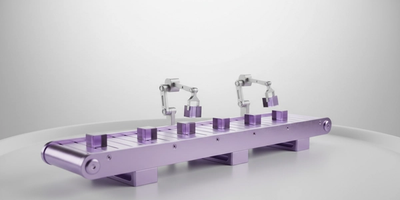
That model assumed a human performed every step. Strip the assumption out and it falls apart. In a Pair Selling setup the AI handles account and contact research, writes and sends the personalized email, orchestrates follow-up timing across the cadence, updates the CRM and runs Contact Verification and compliance screening before anything goes out. McKinsey's analysis of how generative AI could reshape B2B sales points to the same redistribution: the model drafts the outreach, runs the research and handles routine follow-up, the tasks that used to fill an SDR's day. The human steps in where it counts, on the calls, the LinkedIn conversations, the discovery, the negotiation and the close. That division of labor is exactly how the SDR role is shifting from dialer to navigator.
Keep paying for "dials per day" in that world and you are paying a person for output your software generates. Worse, you are nudging your best reps to spend their hours competing with the machine instead of doing the human work that moves deals.
The traditional, dial-all-day SDR seat is thinning out as a result. Pipeline matters as much as it ever did, but the activity that used to define the job is being automated, which is precisely why paying for that activity makes less sense each quarter. The job is not disappearing. The scorecard is.
What Pair Selling actually rewards
AvairAI's Pair Selling AI service gives each side a clear role. The AI works as Navigator: it maps the route, runs the research, drafts the messages and keeps the cadence moving. The human is the Driver: hands on the wheel, steering the conversation, reading the room and closing. We break that split down in detail in the Driver and Navigator roles in the Pair Selling service.
The hands-on work is where the money should follow. Salesforce's State of Sales research found reps spend less than 30% of their time actually selling, with the rest lost to admin, research and data entry. AI hands most of those hours back. So an AI-augmented SDR is not measured on how much they produce, since the AI produces the volume; they are measured on what they do with the time the AI returns. Which accounts they choose to work. How deep they go in the conversations that matter. How cleanly they carry an interested lead into a live opportunity. How fast a deal moves once a person is in it. Those are human contributions, and a comp plan should pay for them by name.
A compensation model built for AI-augmented SDRs
Why 70/30 beats 60/40
The old 50/50 and 60/40 splits leaned hard on variable pay because variable pay drove activity, and activity was the job. Now AI carries the activity, so a heavy commission lever points at the wrong target. A 70/30 split fits better.
The 70% base reflects what the role has become: strategic, consultative and impossible to brute-force, since a rep cannot dial harder to make the AI surface more leads. A higher floor steadies people through the transition and tends to attract stronger talent who want stability alongside upside. The 30% that stays variable still earns its keep. It holds reps accountable for outcomes, rewards the quality of an engagement over the quantity of touches and ties each person's pay to revenue they helped create. On an $80,000 plan, that is $56,000 of base with $24,000 riding on the outcome metrics below.
The four metrics that replace activity
Swap the activity scorecard for four outcome measures, weighted by how much human skill each one demands. For the wider set, see the KPIs that actually matter for AI-augmented reps.
Handoff conversion rate (30% of variable). Of the interested leads the AI surfaces, what share does the rep turn into real opportunities? This is the cleanest read on how well a person builds on the machine's work. A reasonable target is converting 40% to 60% of warm, AI-sourced leads into qualified opportunities.
Relationship quality score (25%). Engagement depth, tracked through reply rates, meeting show rates and prospect-initiated follow-ups, all of which the system can log automatically. Reward steady improvement quarter over quarter rather than a single snapshot.
Deal velocity impact (25%). How fast deals move once the rep is involved. Compare the velocity of human-touched deals against AI-only engagement; faster movement signals the human contact is doing real work.
Closed-won attribution (20%). Give reps a small cut of revenue from deals they influenced. Even a 1% to 2% slice changes how a rep prioritizes their week, because it ties prospecting quality to the number on the board.
Here is how that reads for one person. Take an SDR on the $80,000 plan: $56,000 guaranteed, $24,000 at risk. The biggest slice, handoff conversion, is worth about $7,200, and she earns it by turning the interested leads AvairAI surfaces into opportunities her account executives actually want, not by hitting a dial quota. Layer on 1% of the closed-won revenue she helped move, and a single $40,000 deal she nurtured drops another $400 on top of base. None of it rewards typing; all of it rewards judgment.
How to move your plan over without breaking trust
You do not flip a comp plan overnight, and you do not spring it on the team. If you want the deeper playbook, we cover redesigning SDR compensation for hybrid teams separately; the short version is four steps that keep the transition fair.
- Audit what you measure today. List every metric tied to SDR pay and sort each into "AI can do this" or "needs human judgment." Most teams find 60% to 80% of their current metrics fall in the first bucket, which tells you how much of the plan is already obsolete.
- Write down who owns what. "AI manages outreach" is too vague to pay against. Specify which touches the AI runs, which the rep completes from ready-to-run tasks and what triggers a handoff. Clear lines make fair measurement possible.
- Pilot before you commit. Move two or three reps to the new plan for a quarter and hold the rest as a control. Track both the numbers, pipeline and revenue, and the people, engagement and retention.
- Iterate in the open. Your first weights will be wrong somewhere. Build in quarterly reviews through year one and adjust with the team watching, not behind a curtain.
Because pay and targets move together, it is worth rethinking quotas at the same time you redesign the plan. A scorecard built for AI-era output only works if the number on top of it matches.
The upside: a bigger job, not a smaller one
Plenty of reps read "AI in sales" as a pink slip, and the fear is real: HubSpot's research found 42% of sales professionals worry AI will replace their jobs. Pair Selling points the other way. As AI absorbs the manual prospecting, the SDR seat evolves into something closer to an orchestrator, a person who directs a mix of AI agents and human touches, reads the performance data, feeds the system better inputs and runs multi-stakeholder campaigns from first touch to handoff.
Those are exactly the skills an AI-augmented SDR builds day to day, and they raise the ceiling on the role. The old SDR ladder ran in one direction, toward account executive. This one branches: toward revenue operations, toward managing human-AI teams, toward owning AI sales strategy outright. We map that climb in SDR career growth from dialer to strategic seller. A comp plan should fund the trajectory too, with bonuses for genuine skill at directing AI and for demonstrated gains in human-AI collaboration, not just another tier of quota.
The bottom line
When AI runs the prospecting, paying SDRs for dials and emails buys you the one thing you already own. Done right, the new plan does not cut pay; it redirects the variable toward the work only people do, building trust, navigating complexity and closing. Start by auditing your current metrics, because most will not survive the question "could the AI do this?" Then rebuild around handoff quality, relationship depth, deal velocity and a real stake in closed revenue.
That is how the Pair Selling service carries through to the paycheck. AI handles the grind; your reps handle the relationships, and together they generate more pipeline than either could alone. Want to see the model in motion? Give AvairAI just your website and you will have a live campaign in about 10 minutes, with the AI running outreach while your team does the work that closes.
← Back to all articles